


Every man should know what type of disease prostatitis is and what the first symptoms it causes are.Prostatitis is a common urological pathology in which inflammatory processes progress in the prostate gland.The disease is diagnosed mainly in men between 35 and 40 years old.Predisposing factors that contribute to the onset of the disease are reduced immunity, a sedentary lifestyle, abuse of bad habits and poor nutrition.The diagnosis and treatment of the pathology is carried out by a doctor called a urologist.It is with him that you should make an appointment for a consultation if you are concerned about characteristic symptoms.It is important for any man to remember: the sooner the disease is diagnosed and its treatment is started, the greater the chances of complete recovery and recovery.Lack of timely treatment can lead to serious consequences, such as male infertility and prostate cancer.
The essence of pathology
Inflammation of the prostate is called prostatitis.The prostate is a male organ responsible for producing secretions that maintain normal sperm activity.In most cases, the disease is infectious in nature.Infection can occur through the urethra, blood or lymphatic flow, when the infection spreads throughout the body from distant inflammatory foci.Microorganisms that can cause an inflammatory complication:
- coli;
- staphylococcus;
- enterococci;
- proteas;
- Klebsiella, etc.
All these microscopic organisms are opportunistic microflora, the active life of which is suppressed by the human immune system.But as soon as the immune system weakens, under the influence of predisposing factors, the infection becomes more active and causes inflammation in the gland tissues.
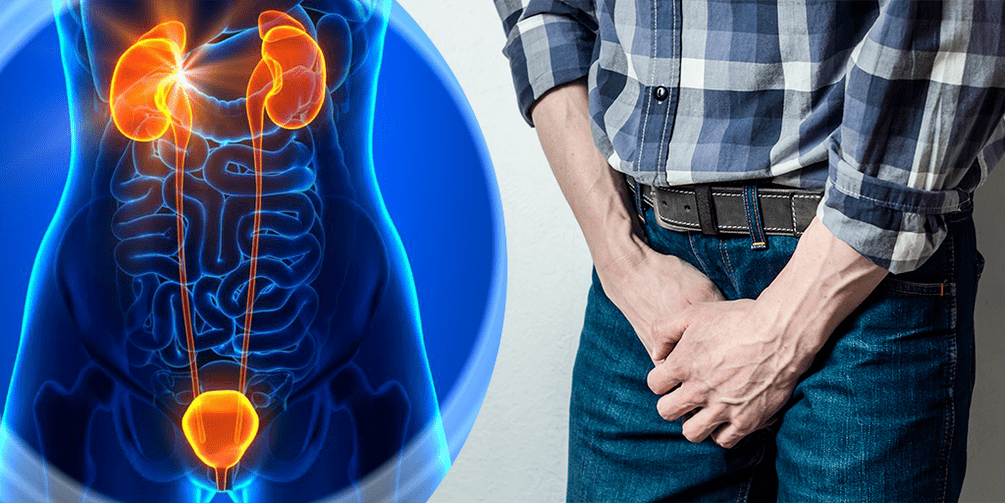
Depending on the nature of the course, the following forms of prostatitis are distinguished:
- sharp;
- chronic.
Acute is characterized by pronounced symptoms;If medical help is sought in time, it can be successfully cured.The chronic type of pathology arises as a result of inadequate or untimely treatment of the acute form.The disease is characterized by recurrent infections, which manifest with vague symptoms.Chronic prostatitis cannot be completely cured, but properly selected therapy and preventive measures help to prolong remission.
Reasons
The key causes of prostatitis are decreased immunity and untreated urological and venereal infections.Inflammation often occurs against the background of a bacterial infection, which, with the proper functioning of the immune system, is in a latent state.But as soon as the immune system weakens, pathogens become more active and cause inflammation of the prostate tissue.
What causes prostatitis:
- Hypothermia.Hypothermia causes stress on the body, promotes vasospasm, poor circulation and decreased immunity.
- Inactive lifestyle.With a sedentary lifestyle, the blood supply to the pelvic organs deteriorates, which leads to stagnation and the development of inflammation in them.
- Chronic constipation.Hardened feces, which remain in the intestines for a long time, put pressure on the gland and alter microcirculation.This creates favorable conditions for the life of pathogenic microflora.
- Injuries.Traumatic damage to the prostate contributes to impaired blood flow and a decrease in local immunity.
- Excess body weight.Overweight people move little, which causes blood circulation to deteriorate in their internal organs.Stagnant processes cause swelling and inflammation of the prostate tissue.
- Alteration of the rhythm of sexual activity.Prostatitis can be caused by both an overly active sex life and prolonged abstinence.
- The presence of chronic pathologies.Any source of chronic infection can be potentially dangerous to the prostate and cause inflammation.
- Conditions that contribute to suppression of the immune system.The general condition of the body is negatively affected by chronic stress, overwork, regular lack of sleep and physical overload.
Types of prostatitis
The symptoms of prostatitis depend on its type and nature of the course.There are several types of disease, each with its own characteristics.
bacterial
The main cause is a bacterial infection that develops against a background of weakened immunity.Bacterial prostatitis occurs:
- spicy;
- chronic.
In acute cases, pronounced prostatitis syndromes are of concern:
- a sharp increase in temperature;
- urinary disturbance;
- pain, discomfort in the perineum;
- purulent and bloody inclusions in the urine;
- deterioration of general health.
In a chronic course, the symptoms become blurred and appear weakly.But in case of relapse, the intensity of the symptoms resembles an acute process.
calculating
This type of pathology is diagnosed mainly in men over 55 years of age.An inflammatory complication develops against the background of stone formation in the prostate tissue.Most often, stones form due to improper treatment of chronic prostatitis.Another common cause is untreated urolithiasis.
Characteristic signs of calculous prostatitis:
- urinary disturbance;
- hematuria;
- weakening of the erection.
stagnant
It develops against the background of chronic prostatitis and is associated with impaired microcirculation in the pelvic organs.Also, the stagnant form can occur with a prolonged absence of sexual intercourse, which leads to stagnation of secretions in the gland.
Characteristic symptoms of congestive prostatitis:
- problems urinating;
- discomfort in the groin and testicles;
- erectile dysfunction.
Purulent
Purulent prostatitis develops against the background of an acute form of the disease, the treatment of which is incorrect or completely absent.The pathology is characterized by a significant increase in body temperature, difficulty urinating, the presence of purulent inclusions in the urine and acute pain in the groin and perineum.If treatment is not started immediately, there is a high probability of developing an abscess and blood poisoning, which can lead to the death of the patient.
Symptoms
The symptoms and treatment of prostatitis depend on the stage of its progression:
- Catarrhal.At this stage, the patient complains of frequent urination, pain when going to the toilet, discomfort in the perineum during physical activity.
- Follicular.The pain symptom becomes more pronounced, bothers even at rest and can radiate to the lower abdomen or back.The urination process is disturbed, the liquid comes out in a thin stream, and sometimes urinary retention occurs.
- Parenchymatous.An advanced stage, during which general intoxication of the body develops, body temperature rises significantly, unbearable pain in the perineum occurs, and problems with urination become more pronounced.
pain syndrome
There are no pain receptors in the prostate, but pain occurs due to the enlargement of the gland and irritation of nearby nerve fibers.The more advanced the disease is, the more intense the pain that worries the person.The pain syndrome may change in intensity with sexual abstinence or increased sexual activity.The discomfort extends to the lower abdomen, lumbar region, perineum and scrotum.
dysuric syndrome
When it becomes inflamed, the prostate increases in size and begins to put pressure on the ureters, so its lumen gradually decreases.The patient begins to feel bothered by frequent urination, and after going to the toilet, a feeling of incomplete emptying of the bladder remains.
sexual deviations
In the initial stages of the development of pathology, a man may be bothered by frequent erections or, conversely, lack of sexual arousal.Accelerated ejaculation is explained by a decrease in the sensitivity threshold of the arousal center.If prostatitis treatment is not started in the initial stages, complications develop, leading to impotence and infertility.
Diagnosis
If you have characteristic symptoms, you should consult a doctor.The diagnosis and treatment of prostatitis is carried out by a urologist.It is with him that a man should make an initial appointment.During the examination, the doctor will ask about disturbing symptoms, complaints, collect anamnesis and perform a rectal examination of the prostate.To confirm the diagnosis, the urologist will refer you for additional diagnostic testing, which includes the following procedures:
- clinical blood and urine tests;
- PCR research;
- uroflowmetry;
- examination of glandular secretions;
- Prostate ultrasound;
- CT or MRI.
Treatment
The treatment regimen is determined taking into account the nature of the course and the degree of neglect of the pathology.If the patient's condition is serious, the doctor decides on hospitalization.Otherwise, treatment is performed on an outpatient basis.The patient must strictly follow the urologist's instructions, comply with the treatment plan and not self-medicate.
Drug therapy
Antibiotics will help stop the inflammatory process and destroy pathogenic microflora.If prostatitis is caused by viruses or fungi, the antibacterial treatment regimen is supplemented by appropriate drug groups.
To eliminate pathological symptoms, the following groups of drugs are additionally prescribed:
- non-steroidal anti-inflammatory drugs;
- pain relievers;
- muscle relaxants;
- antispasmodics;
- alpha blockers;
- diuretics;
- Medicines that normalize prostate function.
If a man complains of potency problems and sexual dysfunction, the doctor prescribes medications that stimulate blood circulation in the penis and restore the erection.
Maintenance therapy
The effect of drug therapy will be enhanced by supportive measures, including the following rules:
- Drink the necessary amount of fluid: at least 1.5 to 2 liters per day.
- Maintain bed rest.
- Hot therapeutic baths.
- Follow a gentle diet, during which salty, spicy, fatty foods, alcohol, coffee and acidic drinks are excluded from the diet.
The patient's condition is favorably influenced by regular sexual life, which ensures drainage of the prostate and prevents stagnation of secretions.
surgical intervention
If conservative treatment does not produce the desired effect, the doctor decides to perform surgery.In modern urology, the following surgical methods are practiced to treat prostatitis:
- Transurethral resection (TUR).During the operation, the surgeon removes all affected glandular tissue.
- Prostatectomy.It involves the removal of the prostate, adjacent tissues, and seminal vesicles.
Surgery is not performed on young men because any operation can cause infertility.
Folk remedies
In addition to complex drug therapy, alternative medicine can be used.The treatment regimen must be agreed with the doctor.Self-medication is unacceptable.
To combat inflammation and disturbing symptoms, medicinal herbs rich in beneficial substances and elements that have a bactericidal and anti-inflammatory effect are used.Infusions, tinctures and decoctions are prepared from medicinal herbs, which can be taken orally, made into compresses and lotions and added to the bath.
The following herbs are used to treat prostatitis:
- sage;
- calendula;
- chamomile;
- licorice;
- yarrow;
- nettle;
- parsley;
- St. John's wort;
- bearberry;
- rosemary;
- centaur;
- ginseng;
- sweet clover;
- chestnut.
For chronic prostatitis, bee propolis, famous for its anti-inflammatory properties and analgesic effect, is widely used.Supporters of alternative medicine recommend making propolis suppositories, which are inserted into the rectum.The recipe is:
- Grind 20 g of propolis into powder.
- Combine the main component with 200 ml of alcohol and evaporate over low heat.
- Add 2 g of cocoa butter to the resulting mass.
- Form a candle from the finished composition.
- The product is inserted into the rectum overnight.The treatment is carried out in one course and lasts 1 month.
Consequences
Lack of proper treatment or self-medication can lead to serious health problems.The spread of the infection leads to the development of negative consequences such as:
- cystitis;
- pyelonephritis;
- vesiculitis;
- coliculitis and urethritis;
- epididymitis;
- prostate sclerosis.
Against the background of such complications, erectile and psychological disorders occur.In severe cases, the disease can progress to the stage of chronic calculous prostatitis, causing an abscess and other life-threatening complications.Frequent relapses often lead to the development of male infertility, adenomas and even prostate cancer.
Prevention
Preventing prostatitis is much easier than fighting the disease and its consequences.The following simple and affordable preventive measures will help prevent inflammation of the prostate or prolong remission in chronic form:
- active lifestyle;
- control of proper nutrition and water regime;
- eliminate bad habits;
- elimination of stress factors;
- hardening;
- maintain basic personal hygiene;
- normalization of body weight;
- timely and adequate treatment of infectious pathologies;
- regular, high-quality, protected sex;
- Annual preventive visits to the urologist.